Oct 17, 2026Cosmetic & Beauty Packaging Guide
Cosmetic Sample Container Sizes Guide | Grace Pack
Choose the right cosmetic sample container sizes from small sachets to 100 ml. Compare formats, costs and MOQs before ordering samples.
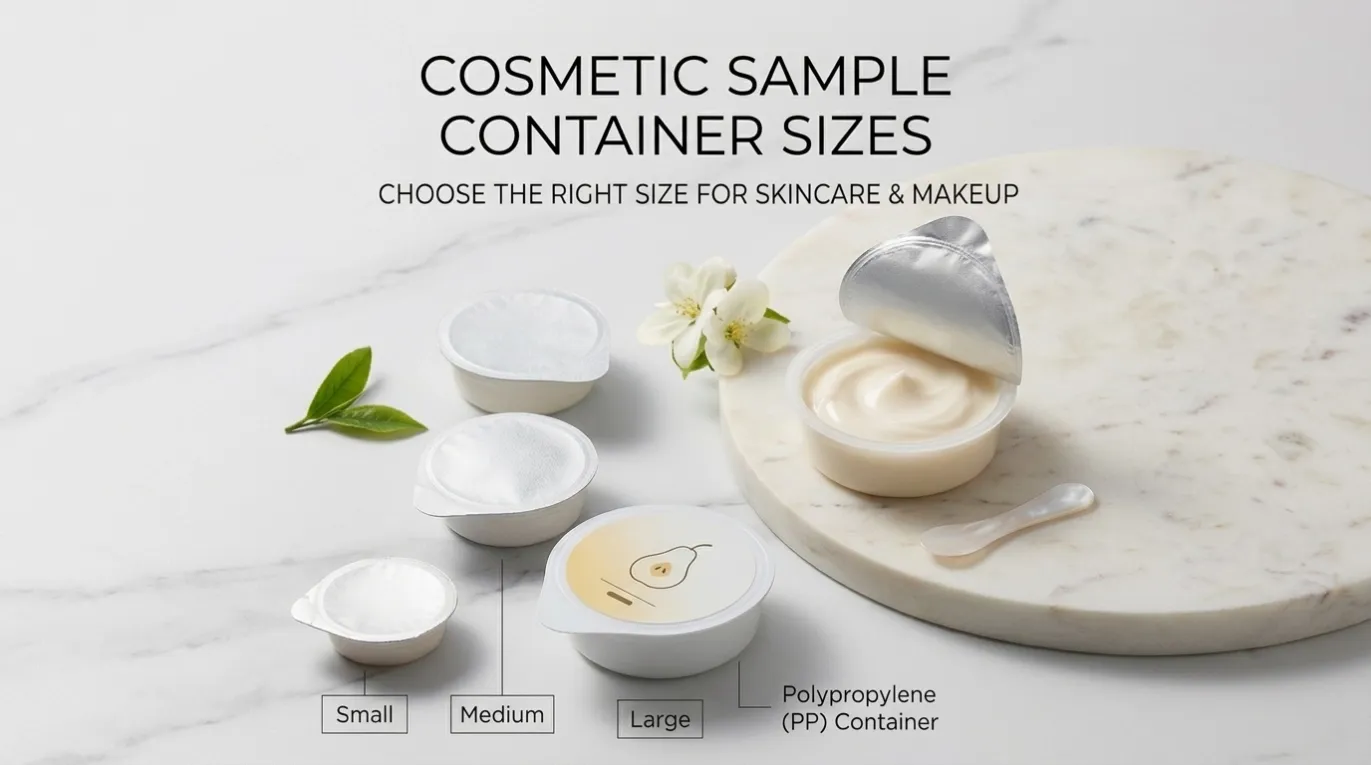
Cosmetic Sample Container Sizes: How to Choose the Right Size for Skincare & Makeup
Choosing the right cosmetic sample container size is important for beauty brands developing skincare samples, makeup trials, travel-size products and single-use cosmetic packaging.
The ideal size depends on the product formula, required filling volume, sampling purpose, container design and filling process. For brands comparing different sample packaging options, understanding both container capacity and physical dimensions can help avoid filling, storage and usability problems.
If you are comparing sample packaging with regular retail packaging, see our Cosmetic Sample Container vs. Full-Size Packaging guide for a detailed comparison.
1. Why Does Cosmetic Sample Container Size Matter?
A cosmetic sample container should provide enough product for the intended application without using unnecessary packaging space.
The right size can help brands balance:
- Product quantity
- Packaging cost
- Customer convenience
- Storage and transportation
- Filling efficiency
- Product presentation
A sample that is too small may not provide enough product for meaningful testing. A container that is too large may increase product consumption, packaging cost and transportation volume.
For this reason, sample container size should be selected according to the actual product and application rather than appearance alone.
For brands looking for small-format skincare packaging, our Small Skincare Sample Container can be considered for skincare samples, trial products and other small-volume applications.
2. What Cosmetic Products Can Use Small Sample Containers?
Different cosmetic products may require different container capacities and physical designs.
Creams and Moisturizers
Small containers can be used for facial cream, eye cream, moisturizer and other thicker skincare formulas.
The opening and internal design should allow the product to be filled efficiently and removed conveniently during use.
Serums and Lotions
Serums and lotions may require a container that provides enough space for efficient filling and convenient dispensing or product removal.
The selected capacity should reflect whether the product is intended for a one-time trial, several applications or a travel-size format.
Balms and Facial Masks
Thicker formulas such as balms and some facial masks may benefit from a wider opening that makes filling and product removal easier.
Brands should test the actual formula with the selected container before confirming bulk production.
Makeup Products
Small containers can also be considered for foundation, concealer, primer and other makeup samples, depending on the formula and application method.
For portion-size cosmetic applications, a Custom Cosmetic Portion Container can provide an option for brands developing small-volume cosmetic packaging.
3. Choose the Size Based on the Sample Purpose
The required capacity can change depending on how the sample will be used.
A beauty brand may need different container sizes for:
- One-time product trials
- Several-use samples
- Promotional samples
- Travel kits
- Retail sample packs
- Hotel or beauty service applications
A one-time trial generally does not need the same capacity as a travel-size product intended for repeated use.
Before selecting a final cosmetic sample container size, buyers should define how many applications the sample is expected to provide.
For eye cream and other targeted skincare samples, a Custom Eye Cream Sample Container can be considered when a compact format is required.
4. Capacity and Physical Dimensions Are Different
One of the most important points when choosing sample packaging is that capacity is not the same as physical size.
A container may have the required filling capacity but still be unsuitable for the product or production process.
Buyers should consider:
- Nominal filling capacity
- Container diameter
- Container height
- Opening size
- Lid or closure dimensions
- Overall package dimensions
- Available labeling or printing area
For example, a container with enough capacity may have an opening that is too narrow for a thick cream. Similarly, a design may fit the product volume but not work efficiently with the intended filling equipment.
Therefore, buyers should confirm both capacity and physical dimensions before placing a bulk order.
5. How Does Product Formula Affect Container Size?
Product viscosity and formula characteristics can affect the selection of cosmetic sample packaging.
Creams, gels, lotions, serums and other cosmetic formulas can behave differently during filling and use.
Before bulk production, brands should test the actual formula with the selected container.
Testing can help evaluate:
- Filling performance
- Product compatibility
- Opening and closure performance
- Leakage resistance
- Product removal
- Container durability
This is particularly important for formulas containing oils, fragrances, active ingredients or other components that may interact with packaging materials.
The container should be tested with the actual product rather than selected only from a nominal capacity specification.
6. How Do You Choose the Right Sample Container Capacity?
There is no single cosmetic sample container size that works for every product.
The appropriate capacity should be determined by:
Product type + required number of uses + filling volume + packaging format + target customer
For example:
- Single-use samples generally require a smaller quantity.
- Multi-use trial samples need enough product for several applications.
- Travel-size products may require more product for repeated use during travel.
- Promotional kits may prioritize compact dimensions and presentation.
- Retail trial products may require a balance between product quantity and shelf presentation.
If the brand is unsure about the final capacity, it is better to test several sample sizes with the actual formula before confirming the production specification.
For a broader introduction to small skincare packaging, see our Sample Size Packaging for Skincare & Cosmetics guide.
7. What Customization Options Are Available?
Beauty brands may require cosmetic sample containers with specific dimensions, materials or visual designs.
Depending on the packaging format, customization can include:
- Container capacity
- Container shape
- Container color
- Lid or closure style
- Lid color
- Surface finish
- Logo printing
- Custom artwork
- Packaging dimensions
Custom printing can help maintain consistent branding between sample packaging and full-size product packaging.
For OEM and private label projects, brands can discuss their target capacity, product formula, packaging appearance, printing requirements and estimated order quantity with the packaging supplier before finalizing the design.
8. What Information Should Buyers Provide for a Packaging Quote?
When requesting a quotation for custom cosmetic sample containers, buyers should provide as much project information as possible.
Useful information includes:
- Product type
- Product formula or viscosity
- Target filling volume
- Expected number of uses
- Preferred container shape
- Required dimensions
- Lid or closure preference
- Printing requirements
- Estimated order quantity
- Intended application
- Target market
If the required size has not been finalized, a packaging supplier can evaluate suitable options based on the product and application.
Providing accurate information at the quotation stage can help reduce unnecessary sample revisions and make the production process more efficient.
9. Why Should You Test Sample Containers Before Bulk Production?
Before placing a large order, buyers should test the selected container with the actual cosmetic formula.
The testing process can confirm:
- Actual filling volume
- Container dimensions
- Filling performance
- Product compatibility
- Closure performance
- Leakage resistance
- Product removal
- Printing quality
- Storage performance
- Transportation performance
Sample testing is especially important when the product contains oils, fragrances, active ingredients or other formula components that may affect packaging performance.
B2B buyers should confirm the final packaging specifications, artwork, filling requirements and order quantity before approving bulk production.
10. Small Cosmetic Containers for Beauty Brands
Small cosmetic containers can support a wide range of applications, including:
- Skincare samples
- Eye cream trials
- Makeup samples
- Promotional kits
- Travel-size products
- Single-use cosmetic portions
- Product launch campaigns
The right cosmetic sample container size depends on the product formula, intended use, filling requirements and overall packaging strategy.
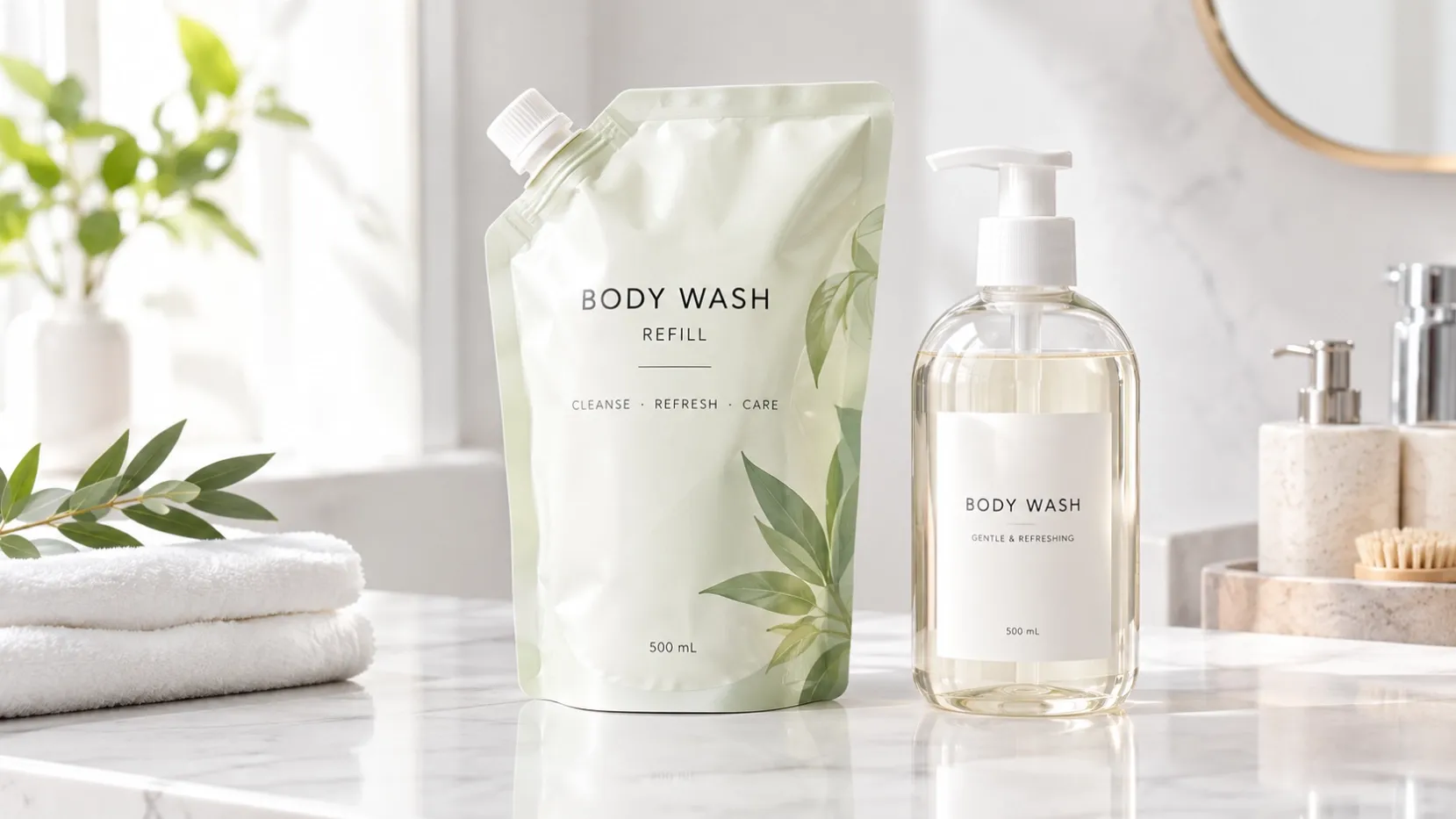
For brands that need a larger or refill-oriented format, a Custom Skincare Refill Spout Pouch can provide another packaging option for products such as serum, lotion, cleanser and moisturizer.
Grace Beauty Pack provides customized beauty packaging solutions for brands developing skincare, cosmetic and personal care products.
11. Request Custom Cosmetic Sample Container Sizes
If you are looking for customized packaging for skincare samples, makeup trials, eye cream samples or other small-volume beauty products, provide your product requirements and target quantity so we can evaluate a suitable packaging solution.
Grace Beauty Pack provides custom cosmetic packaging for OEM, private label and bulk packaging projects.
Need help selecting the right cosmetic sample container size? Request a Custom Cosmetic Packaging Quote.
When contacting us, provide your product type, required filling volume, estimated quantity, preferred dimensions and customization requirements.
Our team can evaluate suitable packaging options based on your product and application.